From The AGU [See update at the end—w.]
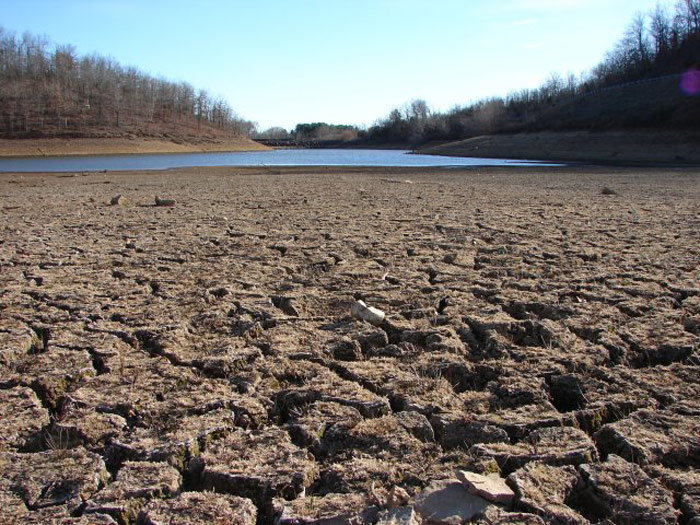

WASHINGTON—The start of California’s annual rainy season has been pushed back from November to December, prolonging the state’s increasingly destructive wildfire season by nearly a month, according to new research. The study cannot confirm the shift is connected to climate change, but the results are consistent with climate models that predict drier autumns for California in a warming climate, according to the authors.
Wildfires can occur at any time in California, but fires typically burn from May through October, when the state is in its dry season. The start of the rainy season, historically in November, ends wildfire season as plants become too moist to burn.
California’s rainy season has been starting progressively later in recent decades and climate scientists have projected it will get shorter as the climate warms. In the new study, researchers analyzed rainfall and weather data in California over the past six decades. The results show the official onset of California’s rainy season is 27 days later than it was in the 1960s and the rain that does fall is being concentrated during the months of January and February.
“What we’ve shown is that it will not happen in the future, it’s happening already,” said Jelena Luković, a climate scientist at the University of Belgrade in Serbia and lead author of the new study. “The onset of the rainy season has been progressively delayed since the 1960s, and as a result the precipitation season has become shorter and sharper in California.”
The new study in AGU’s journal Geophysical Research Letters, which publishes high-impact, short-format reports with immediate implications spanning all Earth and space sciences, is the first to quantify just how much later the rainy season now begins.
The results suggest California’s wildfire season, which has been getting progressively worse due to human-caused climate change, will last even longer in the years to come and Californians can expect to see more fires flaring up in the month of November. 2020 was California’s worst wildfire season on record, with nearly 10,000 fires burning more than 4.2 million acres of land.
An extended dry season means there is more overlap between wildfire season and the influx of Santa Ana winds that bring hot, dry weather to California in the fall. These winds can fan the flames of wildfires and increase the risk of late-season fires getting out of hand.
Full press release can be read here.
[UPDATE: I suspect Charles won’t mind if I add a bit of historical perspective to these claims. Here is the Cook et. al. analysis of the drought situation in the western US since the year 800 … posted without further comment.
w.]

I’ve added the following chart as an update to the head post …

w.
Wait, California has its own climate models? I thought they were global.
From the article: “The study cannot confirm the shift is connected to climate change,”
Well, at least they admitted that. They didn’t just assume it was, like most alarmists do.
From the article: “What we’ve shown is that it will not happen in the future, it’s happening already,” said Jelena Luković, a climate scientist at the University of Belgrade in Serbia and lead author of the new study. “The onset of the rainy season has been progressively delayed since the 1960s, and as a result the precipitation season has become shorter and sharper in California.”
I see a slight discrepancy here. They are claiming Human-caused Climate Change/Global Warming started causing these “problems” beginning in the 1960’s, but if these scientists would check California’s weather history, they would see that the 1960’s and 1970’s were cold and getting colder. CO2 was not driving this train, at that time.
Remember the famous “Ice Age Cometh” cover on a 1974 cover of Science News magazine?
And probably the same rainy season timing as 100 years ago.