By Rud Istvan,
Scanning Google News this morning (Feb 14), headlines from the New York Times and NPR caught my eye.
NYT: “How bad is western drought? Worst in 12 centuries, study finds!”
NPR: “Study finds western megadrought worst in 1200 years!”
Both headlines refer to a new paywalled paper in Nature Climate Change (of course). Lead author Park Williams is a UCLA ‘bioclimatologist’. I did not waste paywall money, because NPR reporter Nathan Rott provided sufficient free context on today’s NPR.org website to write this brief post on this latest ‘research news’.
The NCC paper itself appears to be decent enough. Tree ring analysis (of roof beams) from Southwestern archeology sites dating back to 800 (Chaco Canyon being an example) were spliced together with living tree ring cores to form a complete SW US regional wet/normal/dry picture spanning about 1200 years. That coniferous trees grow better annually in wet (wider rings) rather than dry (narrower rings) conditions is well established (unlike Mann’s treemometers).
The trees tell a story of 5 major Southwest US droughts since 800AD. The worst is at present; the next worst was a period lasting 23 years in the late 1500’s. To a reasonable person, this should mean these periodic western droughts have little to do with climate change. But that would not get the paper published in NCC.
So of course, there is a claimed climate change link. Williams told Rott that the present megadrought is about 1/5 climate change. NPR subtitle: “Human Caused Climate Change Contributing” “Researcher Williams said roughly one-fifth of the current megadrought can be attributed to human caused climate change. Greenhouse gas emissions are warming the world, speeding evaporation and disrupting weather patterns.” How did he arrive at that conclusion? The present trees show about 20% greater drought severity than in the late 1500’s. Sure. The difference MUST be completely climate change rather than natural variability. NYT says so. NCC says so. A bioclimatologist says so.
Williams closed the NPR interview with; “We cannot let ourselves get tricked by a few wet years into giving up on the progress we’ve been making.” By we, he must mean California. It sure isn’t India and China. And Mauna Loa’s Keeling curve shows no CO2 progress ever. His own regional research shows normal and wet years will return, but don’t let that trick you.
[Addendum]
I received an email from reader JT this afternoon stating:
Tree ring drought study shown wrong by the drowned forests of Fallen Leaf Lake.
And giving this link to the story and study noted above.
I believe this is the study to which JT was referring.
[End addendum-cr]
Discover more from Watts Up With That?
Subscribe to get the latest posts sent to your email.
the current alleged mega drought here in Los Angeles doesn’t even begin to measure up to the drought that gripped the region in the first decade of the 2000s, so how can it be the absolute worst in over a millennium
The Niño 3.4 index is falling again.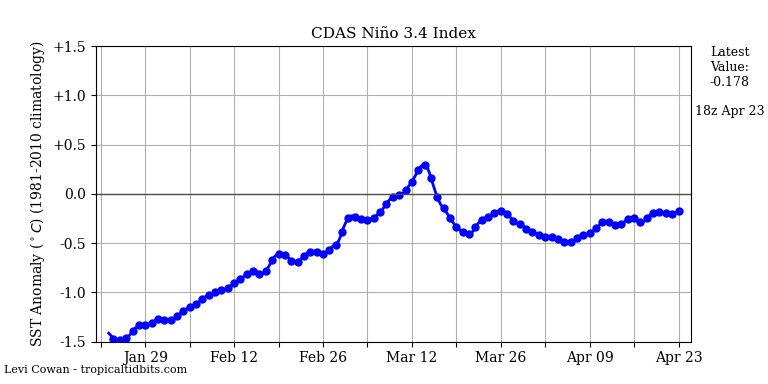
The December sunspot bump is over. Remember there is a 27-54 day TSI lag from SN.
More sunspots please.
Weak solar wind, weak La Niña and extended in time.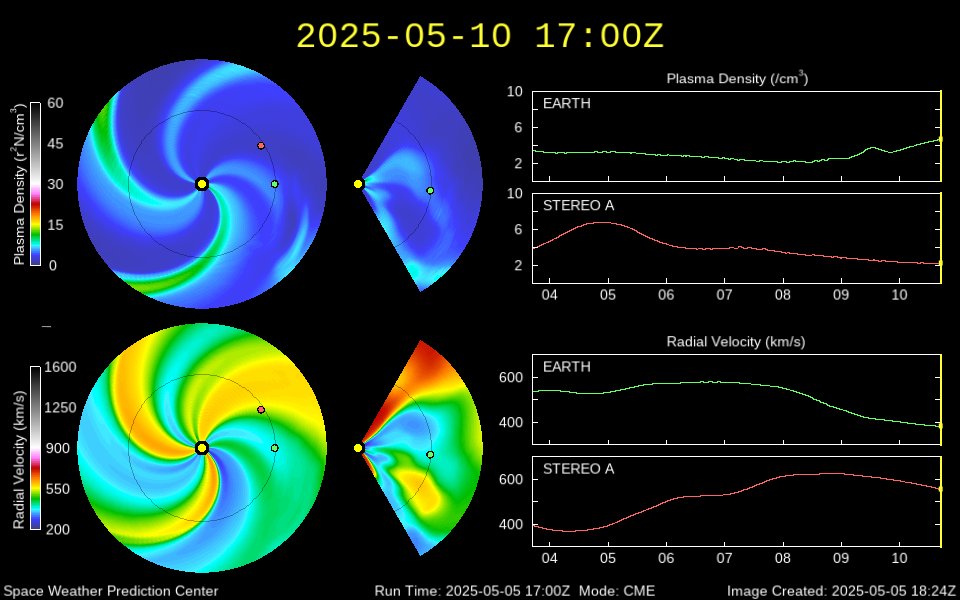
I had look at LA rainfall at the AP.
http://www.laalmanac.com/weather/we09a.php
There have been quite a few dry years in the past decade 30% of the mean, and some that are 50% more. There are quite a few years before 2005 that had more than twice the mean rainfall for the year, all after 77/78. The year 97/98 had 19.5 inches more than the 11.7 inches mean.
21/22 is 30% above the mean so far, but because Dec had 3 times it’s mean rainfall.
I assume that it’s even more variable away from the coast. Is it real science to compare this data with proxies like tree rings? Is very high rainfall in December going to show up as large growth of a tree on a slope of a mountain (where the larger beams would come from). Or is early spring rain going to thaw out snow up the slope leading to drier ground in late spring?
LA airport goes back 76 years and the past 38 years is wetter than the first 38, which lines up well with beginning of late 20thC warming. 21 years seems to be cherry picking.
It might look sciency. I can’t read the details on what was made available for free but it’s way to short to have properly accounted for the many issues when comparing apples with tomatoes (love apples, according to the French)
Tony Heller on a rampage over this nonsense paper as he posted previous research that were published in the NYT showing long known major droughts of the past and posted a lot of sources showing droughts in the region happened quite often and the Precipitation rate in the region doesn’t show anything unusual going on.
Posted today.
Flaunting Their Fake Climate News
So this mega drought from 1200 years ago was man made? Says, who? On what evidence? If it happened by forces of nature 1200 years ago, why not forces of nature today? Oil and gas not a factor then, probably not a factor today.
Huh?
You must be confusing me for someone else since I never said it was man made 1,200 years ago.
I have posted in this thread hard evidence that as of NOW the worlds precipitation rate is INCREASING and even more so in America and rate of droughts are decreasing.
Also showed that the rate of drought is DECREASING worldwide in the link below.
LINK
LINK
LINK
Enjoy.
How about addressing the real issue being population growth outstripping the infrastructure. In the always arid west, whether 10kya, 800, 1215, 1560 or 1920 AD; they all had magnitudes less people survivng in the ecosystem. California has sold tens of billions in bonds in recent years and achieved no significant additional storage to keep up with the population growth that already occurred since the last new dam opened circa 1970. Co2 as a concerning issue is so small in relevance that it only points once again to the unseriousness of it’s proponents.
California should invest in underground water reservoirs. It’s a shame the water will melt in the mountains and summers can be hot because of la Niña.
This may be the paper JT was referring to:
Duration and severity of Medieval drought in the Lake Tahoe Basin – ScienceDirect