

Guest essay by Eric Worrall
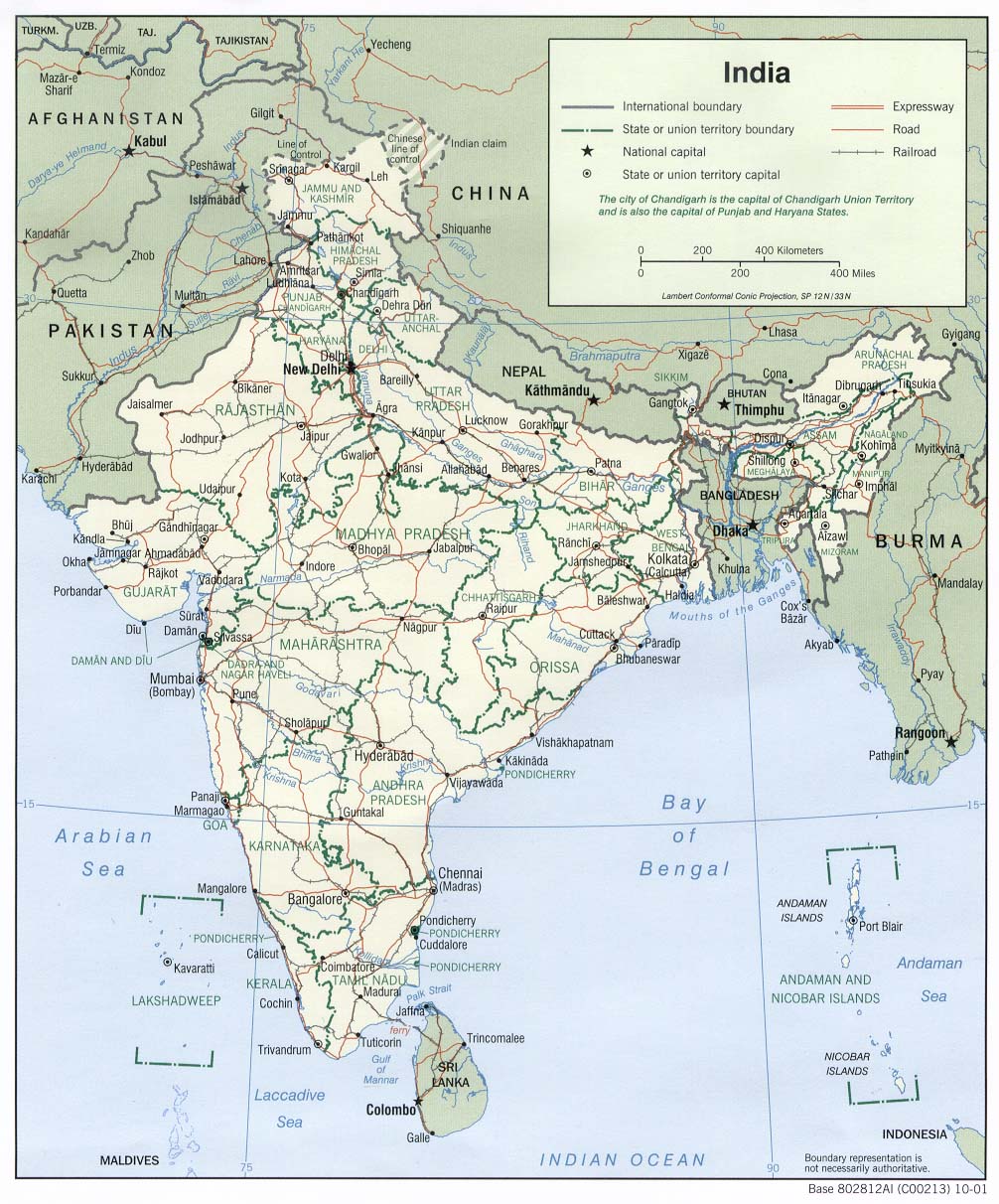
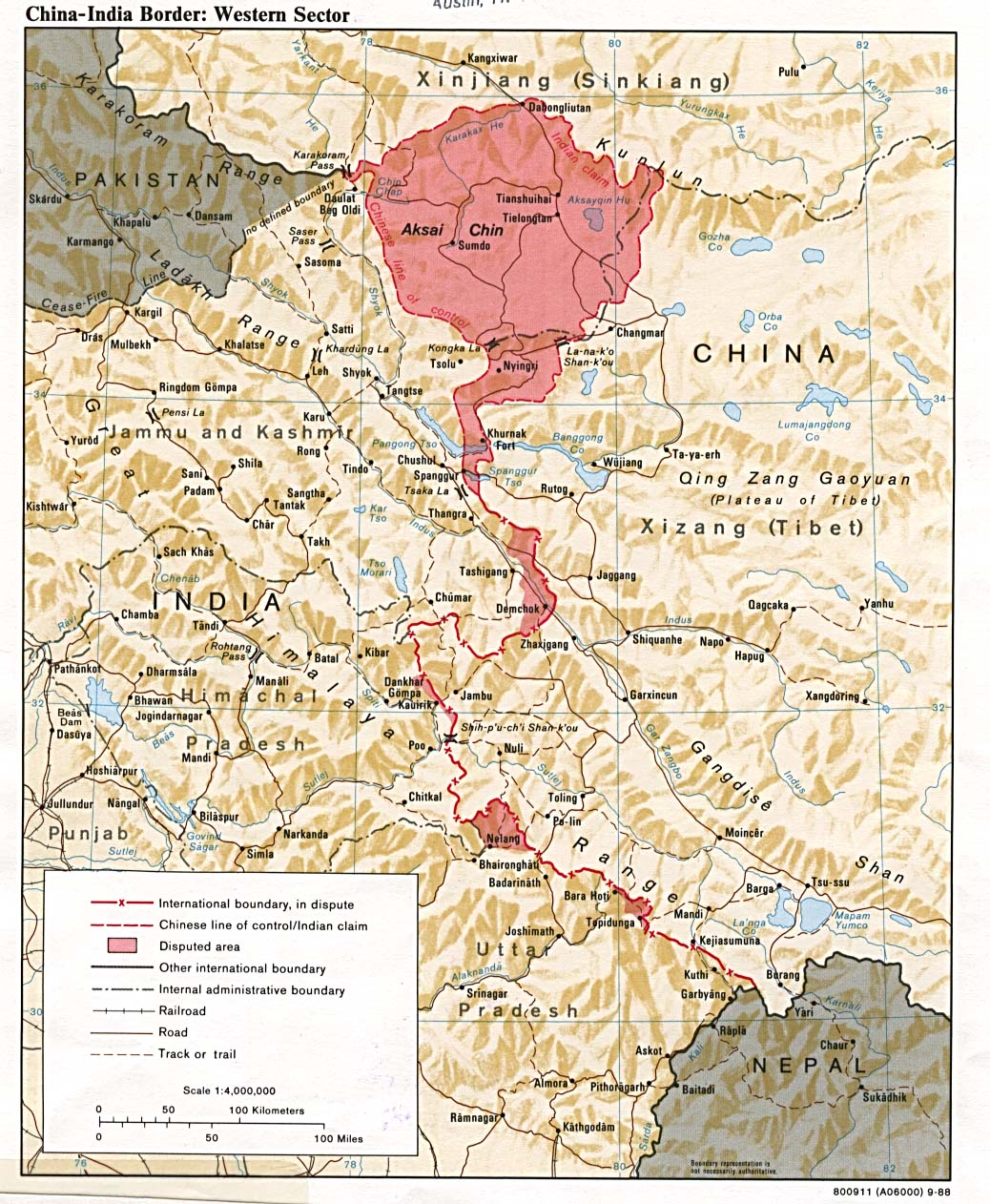
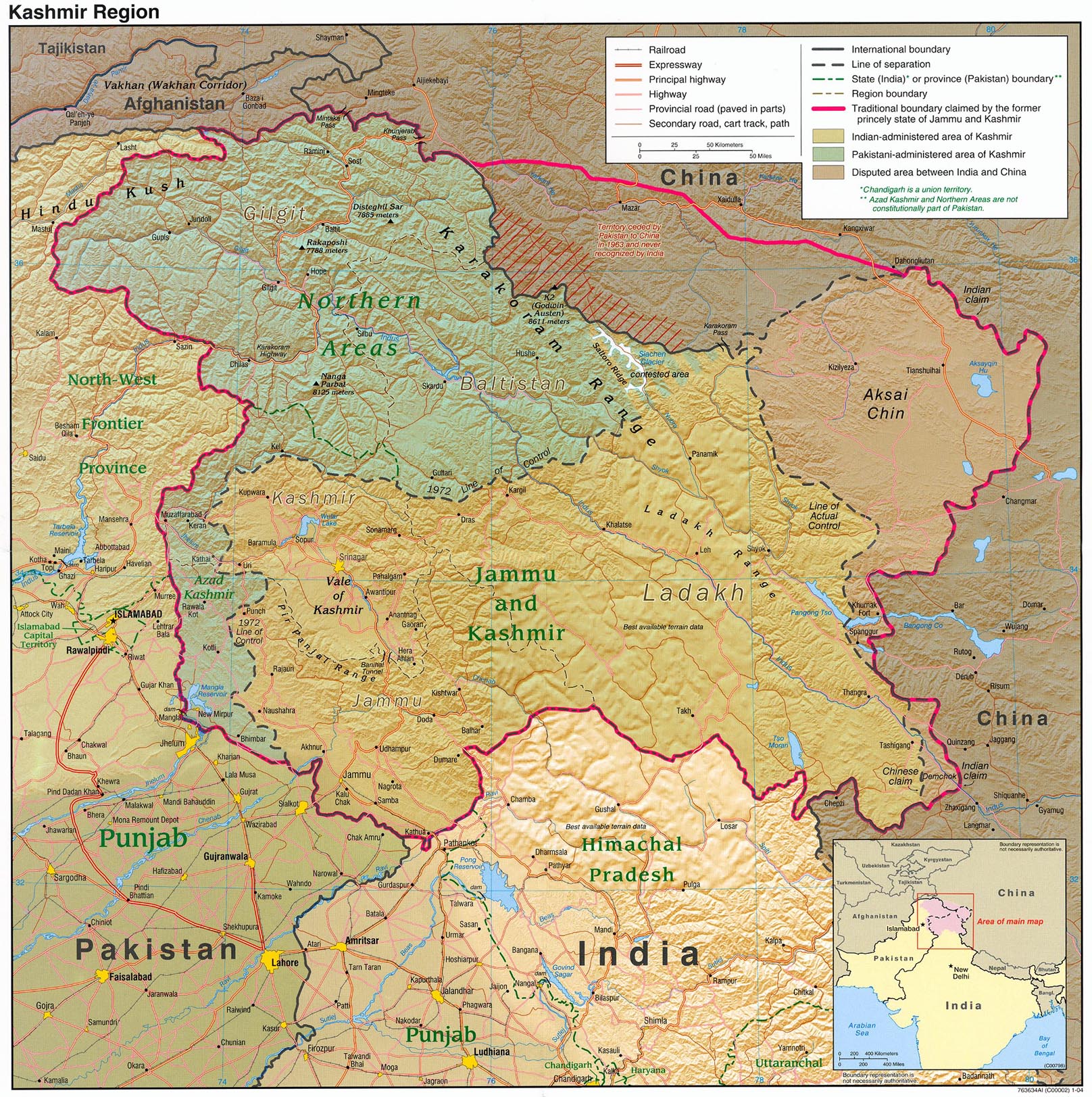
Indian military commanders have claimed Global Warming is killing soldiers on the roof of the world, the Himalayan Siachen Glacier, probably the world’s most alpine military hot zone.
Global warming Army’s new foe
Increased frequency of avalanches threatens troops at Siachen; 10 killed in Feb.
In the wee hours of February 3 this year, an unprecedented ‘ice avalanche’ hit the northern part of the Siachen glacier. It killed 10 soldiers and put spotlight on the new risk posed to troops by global warming on the glacier and the adjoining 18,000-ft-high peaks of the mighty Karakoram mountains.
It’s now emerging that the frequency of avalanches has increased by some 30 per cent at Siachen and also on the higher peaks of the Karakoram range on which India has a vital toehold in eastern Ladakh. The range in India largely falls in an area defined by military as the sub-sector north (SSN).
…
The quantum of snowfall has doubled, winter is setting in late and the maximum snow is being witnessed in April; thirdly, the rise in minimum temperature is not allowing the snow to freeze into hard ice. Thus, snow remains moist, resulting in slippery slopes that are avalanche-prone.
In the past four to five years, the average minimum temperature has risen. From minus 40°C in 2012, it has risen to minus 30°C this year. Similarly, the average maximum temperature has gone up from 13°C in 2012 to 15.5°C in 2016. The snowfall increased from average 650 cm in 2012-13 to 1,300 cm in the winter of 2015-16.
…
Read more: http://www.tribuneindia.com/news/nation/global-warming-army-s-new-foe/269523.html
The extreme conditions in the Siachen region have killed far more soldiers than enemy fire. The evidence that changes in observed conditions are due to global warming seems a bit thin – a warm, snowy winter could easily be due to natural variation, if -30C (-22F) could be considered in any way “warm”.
Blaming “global warming” might be a convenient way to deflect rising public outrage, at the ongoing environmental attrition of Indian (and Pakistani) soldiers.
Lets hope that India and Pakistan find a peaceful way to resolve this decades old military standoff, instead of continuing to pointlessly waste the lives of their young people, in a futile ongoing struggle over ownership of a useless tract of ice.
The idea that the atmosphere holds enough energy to have much of any effect at 5000 meters is viscerally absurd to anybody who has been at those altitudes .
It’s the Jerry Brown blame game for money claims. Yes, you too can have a high speed rail line project paid for. It will provide for carbon free rides direct to the military front line courtesy of faceless taxpayers and their families in progressive socialist countries. Just stay on script and the rewards can be yours.
The funny thing with snow and ice is that it doesn’t melt when the temperature is below 0C. Perhaps this revelation would come as a surprise to the Indian high command.
You can slowly melt ice with pressure.
So global warming causes lack of snow hence lack of melt water and too much snow? Alternatively, every other year? Both at the same time?
“an unprecedented ‘ice avalanche’ hit the northern part of the Siachen glacier.”
“the rise in minimum temperature is not allowing the snow to freeze into hard ice. ”
I do not understand how one can have an “ice avalanche” when the temperature does not allow snow to freeze into hard ice. Perhaps it was soft ice in the avalanche.
Let me see… There have NEVER been major avalanches in this area of the world in ALL of history? [mountains to 18.000 ft in the Himalayas] Or perhaps the Indian soldiers were simply not there when there were?
Any bets on which is closer to reality?
I think the biggest risks to those soldiers are a) being soldiers in Kashmir and b) sitting on glaciers.
Well, has anyone proved that there is not a change in the glacier etc as described or that there is not a change in avalanche risk?
and if not other explanation than global warming is there?